You’ve been eating salads. You cut out the fast food. You swapped soda for water. By all accounts, you’re eating healthy — so why isn’t the weight moving?
This is one of the most common frustrations I hear, and the answer isn’t what most people expect.
“Healthy” and “in a calorie deficit” are not the same thing.
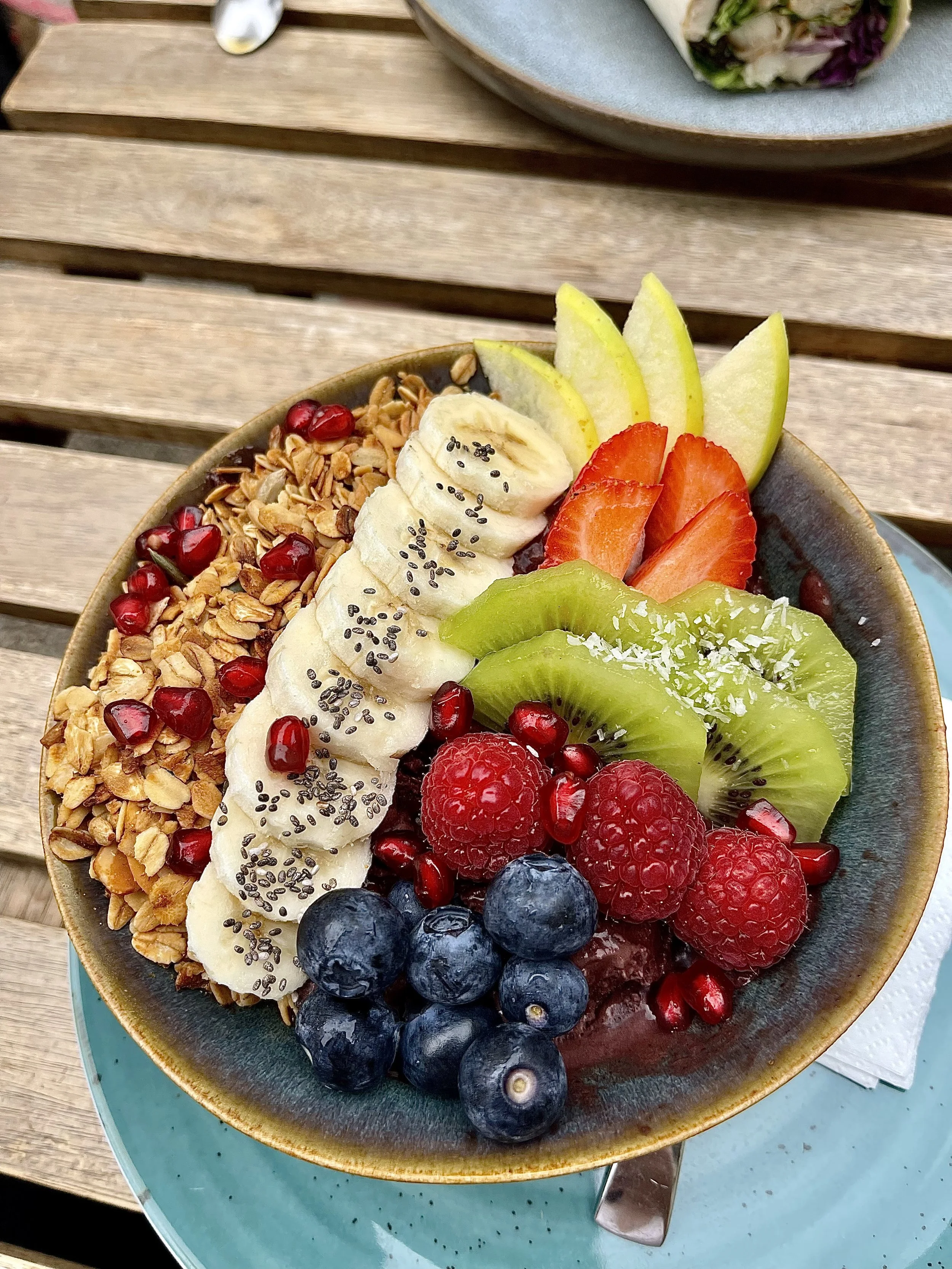
This is the part nobody talks about. A meal can be packed with nutrients, made from whole foods, and still contain more calories than your body needs. Avocado, nuts, olive oil, whole grain bread, smoothies — these are all “healthy” foods that are also very easy to overeat.
When you eat more calories than your body burns, regardless of where those calories come from, your body stores the excess as fat. That’s not a moral failing. That’s just biology.
The “healthy halo” effect
There’s a psychological phenomenon called the healthy halo effect — when we perceive a food as healthy, we tend to eat more of it and underestimate how much we’ve consumed. Studies have shown people eat significantly larger portions of foods labeled “low fat” or “organic” compared to identical foods without those labels.
Translation: your brain is actively working against your progress when everything on your plate feels virtuous.
So what actually needs to change?
You don’t need to stop eating healthy foods. You need to understand that weight loss requires a calorie deficit — burning more than you consume — and that deficit has to exist regardless of food quality.
A few practical places to start:
1. Audit your liquid calories. Coffee drinks, protein shakes, juice, and alcohol are some of the most underestimated calorie sources out there. A grande latte and a post-workout shake can easily add 500+ calories to your day without feeling like a meal.
2. Watch your portion sizes on calorie-dense “healthy” foods. A serving of almond butter is two tablespoons. Most people pour three or four without thinking twice. Same with olive oil, cheese, granola, and nuts.
3. Track for awareness, not obsession. You don’t have to track forever. But logging your food for even two weeks gives you an honest picture of what you’re actually eating versus what you think you’re eating. Most people are shocked.
4. Prioritize protein. High protein intake keeps you full longer, preserves muscle mass while you’re in a deficit, and has a higher thermic effect — meaning your body burns more calories digesting it. Aim for 0.7–1g per pound of bodyweight.
The bottom line
Eating healthy is a great foundation. But if weight loss is your goal, food quality alone won’t get you there. You need to pair good food choices with an understanding of how much you’re eating. Once those two things align, the weight starts moving.
If you’ve been stuck despite doing “everything right,” this is almost always the missing piece.
Want help figuring out exactly what your nutrition should look like? Check out the coaching page and fill out an application to see if we’d be a good fit.



Let’s work together!
Hi, I’m Joshua Diaz — Certified Nutrition Coach & Personal Trainer
I offer 1:1 coaching for people who want to reach their goals and stick to them this time — if that sounds like you, click the button below to inquire about working together 💪
