For decades, the fitness industry has had us obsessed with one thing:
The number on the scale.
Lose 10 pounds.
Lose 20 pounds.
Get below a certain weight.
Hit your goal weight.
As if the moment you see that magical number appear on the scale, confetti falls from the ceiling, a choir starts singing, and all of your problems disappear.
Unfortunately, that's not how it works.
Because here's the thing:
Your body doesn't care what you weigh nearly as much as the fitness industry has led you to believe.
And neither should you.
That's not to say body weight is completely useless. It can absolutely provide helpful information.
But when it comes to looking better, feeling better, performing better, staying healthy, and maintaining your results long-term, there's something that matters a lot more:
Your body composition.
In other words: How much of your body is muscle, and how much is body fat?
Because two people can weigh exactly the same amount and look completely different.
One person might look athletic, strong, and lean.
The other might have significantly less muscle mass and a higher body fat percentage.
Same weight, very different outcomes.
Which is why more coaches, researchers, and health professionals are starting to shift the conversation away from simply losing weight and toward something much more important: Building and maintaining muscle.
Muscle Is More Than Something That Makes You Look Good Shirtless
Let's clear something up right away.
When most people hear the word "muscle," they picture bodybuilders covered in baby oil flexing under stage lights.
But muscle does a lot more than fill out a t-shirt.
In fact, skeletal muscle is one of the most metabolically important tissues in the entire body.
Muscle acts as a major storage site for glucose. When you eat carbohydrates, much of that glucose gets stored inside muscle tissue as glycogen to be used later for energy.
The more muscle you have, the more capacity you generally have to store and utilize glucose efficiently.
That's one reason why resistance training has been shown to improve insulin sensitivity and overall metabolic health.
Translation: Your muscles aren't just helping you lift heavy things. They're helping regulate how your body handles energy.
Muscle is also associated with better physical function, lower injury risk, improved balance, greater strength, and a higher quality of life as you age.
Not bad for something most people only think about when they're trying to get bigger arms.
The Scale Doesn't Know What You Lost
One of the biggest problems with focusing exclusively on weight loss is that the scale can't tell the difference between what you're actually losing.
Let's say you lose 20 pounds.
Sounds great, right?
Maybe.
But what if some of that weight came from muscle?
The scale doesn't know, it just sees a smaller number. And that's where a lot of people get into trouble.
Aggressive dieting, excessive cardio, crash diets, detoxes, juice cleanses, and every other fitness punishment disguised as a nutrition plan often lead to weight loss.
But they can also lead to muscle loss.
And losing muscle isn't exactly helping you move toward the physique most people want.
Most people don't actually want to be "smaller,” they want to be leaner. There's a big difference.
One is a weight goal, the other is a body composition goal.
Why Muscle Matters Even More As You Get Older
Here's something nobody talks about when they're trying to lose 15 pounds before summer:
You're naturally losing muscle every year as you age. This process is called sarcopenia.
Beginning around your 30s and accelerating later in life, adults gradually lose muscle mass, strength, and physical function if they aren't actively doing something to maintain it.
That's one reason strength training is now being recommended not just for aesthetics, but for longevity.
Muscle helps you stay independent.
Muscle helps you recover from injuries.
Muscle helps you continue doing the things you enjoy.
Muscle helps you keep up with your kids.
Muscle helps you get off the floor without sounding like you're auditioning for a role in a Life Alert commercial.
In other words: The benefits of building muscle go way beyond the gym.
So Should You Stop Trying To Lose Weight?
Not necessarily.
Many people would absolutely benefit from reducing excess body fat. But focusing exclusively on losing weight often misses the bigger picture.
A better question might be instead of asking, "How much weight can I lose?"
Ask: "How can I improve my body composition?"
Because that's usually what people are actually after.
They want to:
look leaner
feel stronger
move better
improve their health
maintain their results
And building muscle is often one of the most effective ways to get there.
Final Thoughts
The fitness industry spent a long time convincing people that weighing less was the ultimate goal.
But we're finally starting to realize that's an oversimplification.
Weight matters, but body composition matters more.
Because at the end of the day, the goal isn't to become a smaller version of yourself. The goal is to become a stronger, healthier, more capable version of yourself.
And muscle happens to be one of the best investments you can make toward that goal.
If you've spent years chasing a lower number on the scale without feeling satisfied with the results, coaching can help.
Together, we'll focus on building a plan that improves your body composition—not just your body weight—so you can get stronger, healthier, and create results that actually last.


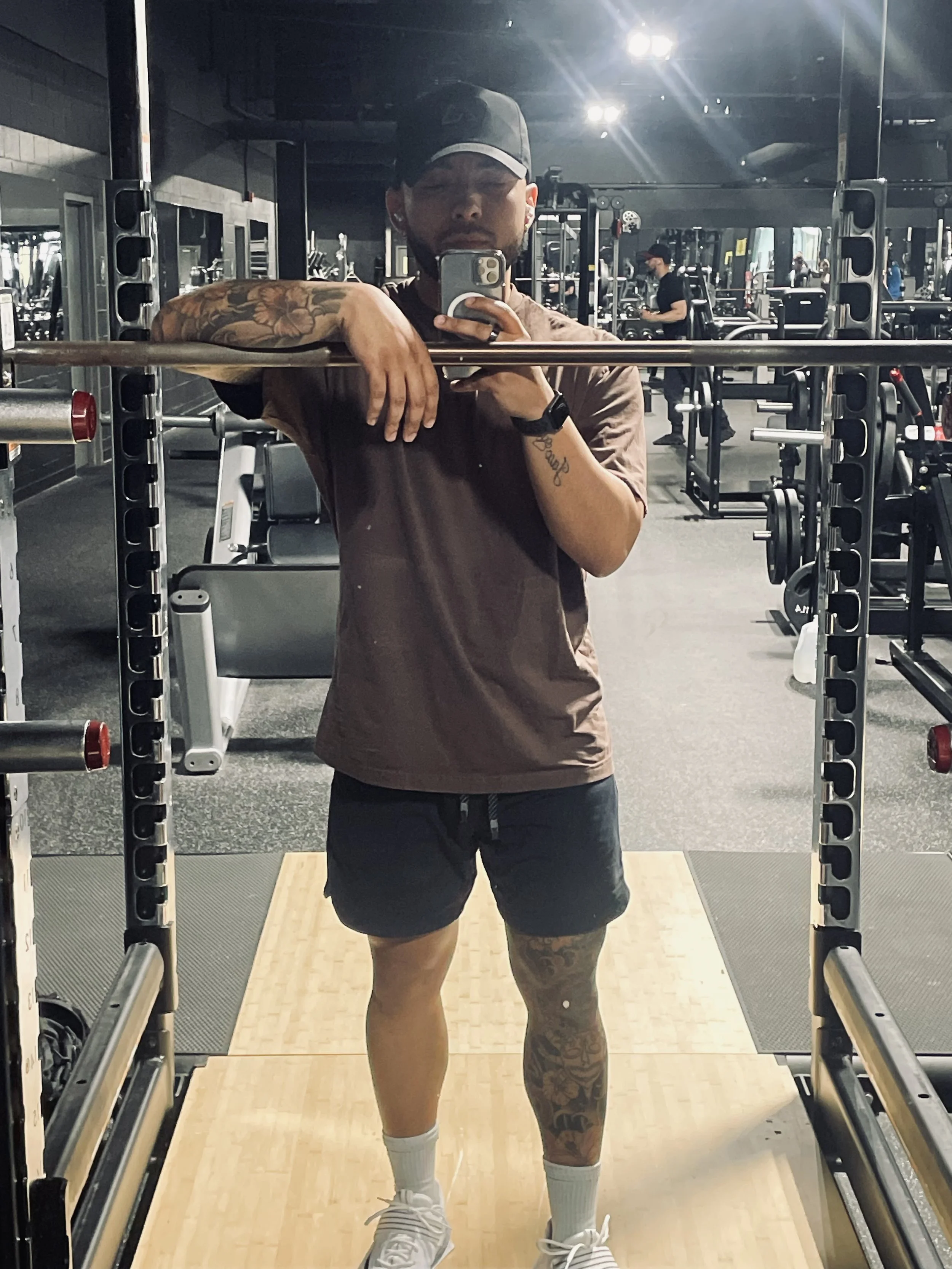
Let’s work together!
Hi, I’m Joshua Diaz — Certified Nutrition Coach & Personal Trainer
I offer 1:1 coaching for people who want to reach their goals and stick to them this time — if that sounds like you, click the button below to inquire about working together 💪
