If you’ve spent any time around fitness content, you’ve probably heard the term “macros.”
And maybe you’ve thought “I feel like I should know what that means… but I don’t.”
You’re not alone.
Let’s break it down in a way that actually makes sense — and more importantly, whether you even need to care about them.
What Are Macros?
“Macros” is short for macronutrients.
There are three of them:
Protein
Carbohydrates (carbs)
Fats
Every food you eat is made up of some combination of these. That’s it, nothing fancy.
What Each Macro Does (Without Overcomplicating It)
Protein
Protein is responsible for building and maintaining muscle, helping you feel full, and supporting recovery after training.
This is the one most people don’t get nearly enough of.
Carbohydrates (Carbs)
Carbs are your body’s main source of energy. They help fuel your workouts, your daily activity, and your brain function.
Despite what the recent TikTok trends say, carbs are not the enemy.
Fats
Fats are important for hormone function, overall health, and satiety (feeling full).
They’re more calorie-dense, so they add up quickly — but they’re still necessary.
Why Do People Track Macros?
Because tracking macros gives you structure, awareness, and control over your calorie intake When you track macros, you’re essentially tracking your calories, just in a more detailed way.
And tracking macros works because it removes the guesswork.
Instead of estimating whether you ate well or not, you know exactly how much protein you had, exactly how many calories you ate, and whether you’re aligned with your goals.
That type of clarity is essential.
So… Do You Need to Track Macros?
Short answer: No.
Long answer: It depends on the person.
Tracking can be really helpful if you like structure and numbers, want a clear system to follow, have struggled with consistency before, or you want more precise control over your results.
For these people, tracking creates clarity and accountability.
But tracking isn’t for everyone. It might not be the best fit if it stresses you out, it feels obsessive, or it makes eating feel overly complicated.
Because if you can’t stick with it, it’s not helping.
And you can get results without tracking, this is important! You can absolutely make progress without tracking macros. You just need another form of structure.
Instead of tracking, you can focus on:
1. Building Consistent Meals
3–4 meals per day
similar structure each day
2. Prioritizing Protein
include protein at every meal
aim for a solid portion each time
3. Being Mindful of Portions
not eating until overly full
not mindlessly snacking all day
4. Staying Consistent
Same theme as always: consistency drives results.
Why Some People Struggle Without Tracking
Because without any kind of structure, it’s easy to underestimate your caloric intake, snack more than you realize, and be inconsistent day-to-day.
That’s where tracking can help. Think of tracking like a tool, not a requirement, not a personality trait, not something you “have to do to be fit.” Just a tool in the toolbox of your health journey.
Tracking macros is like using GPS.
You don’t need it to get somewhere. But it can make the process faster, clearer and more predictable.
Some people prefer having it, others are fine without it.
At the end of the day, macros matter. But not more than total calories, consistency, and adherence.
You don’t need to overcomplicate it.
The Bottom Line
You don’t need to track macros to see results.
But you do need some level of structure, awareness of what you’re eating, and consistency over time.
That’s what actually works.
If You Want Help With This
If you’re unsure whether tracking is right for you, or you’ve tried it and struggled to stay consistent, coaching can help you figure out the best approach based on your lifestyle and goals.
No one-size-fits-all approach — just what works for you.


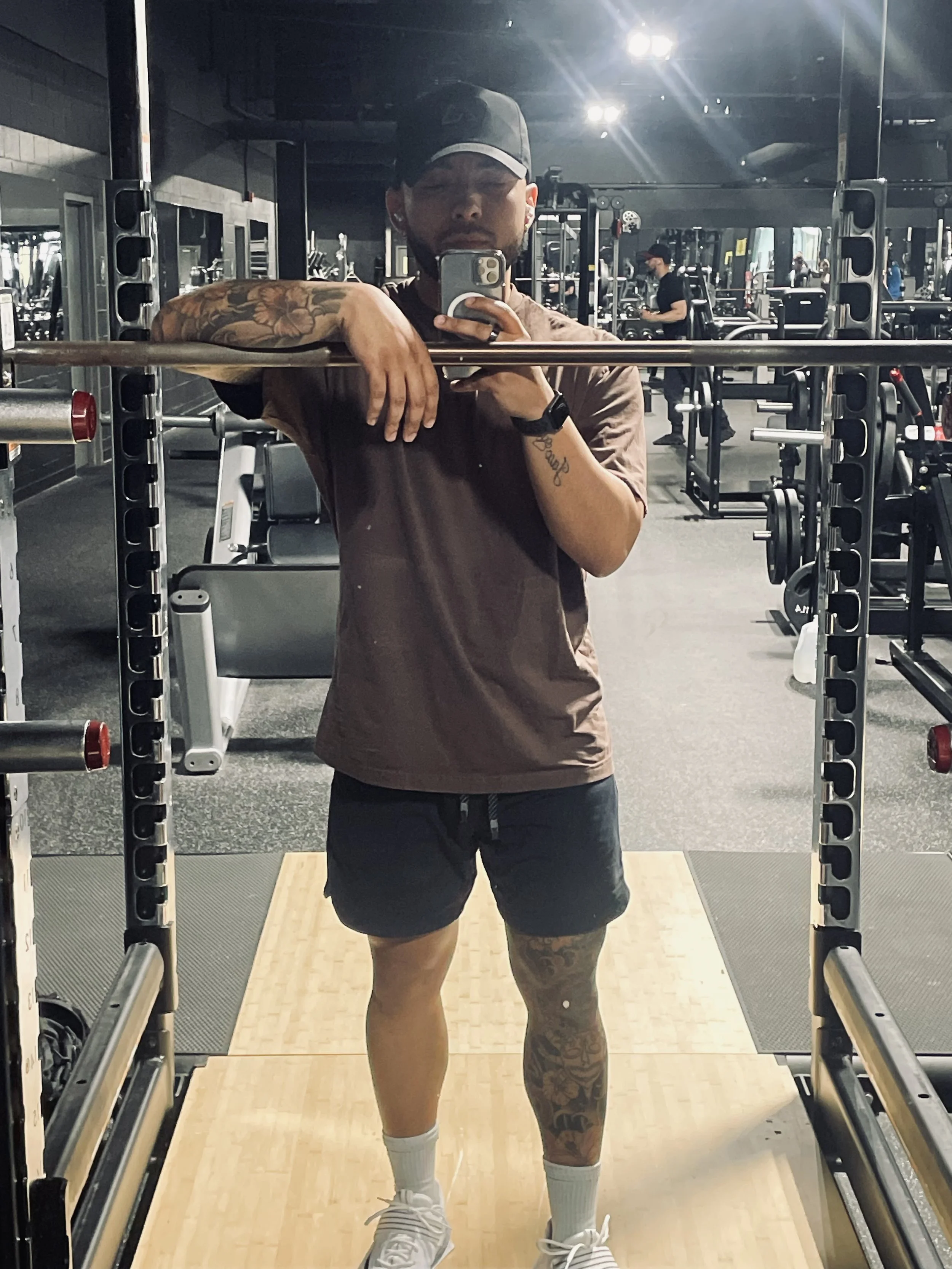
Let’s work together!
Hi, I’m Joshua Diaz — Certified Nutrition Coach & Personal Trainer
I offer 1:1 nutrition coaching + personal training for people who want to reach their goals and stick to them this time — if that sounds like you, click the button below to inquire about working together 💪
