A lot of people think building muscle requires living in the gym, training every day, and doing 2-hour workouts.
And if you can’t commit to that? You assume you won’t make progress.
But that’s not true.
The reason people often think this is because most fitness content shows advanced lifters, or bodybuilders, or people whose lifestyle revolves around training.
So it creates this idea that if you’re not doing that, it won’t work.
But those aren’t the standards you need to follow.
What Actually Builds Muscle
Let’s simplify this as much as possible.
Muscle is built through:
Progressive overload
Consistency
Adequate nutrition (especially protein)
Recovery
That’s it. Not a bunch of fancy exercises, complicated routines or training every single day.
What Is Progressive Overload?
This is the foundation of muscle growth. It just means gradually doing more than you did before, over an extended period of time. That could be adding weight, adding reps or improving your technique.
If your workouts look the same every week with no progression, then your body has no incentive to change.
How Many Days Per Week Do You Actually Need?
For most people, 3–5 days per week is more than enough.
You can build muscle with just 3 well-structured workouts ranging from 45–60 minutes each. That’s realistic and more importantly, it’s sustainable.
A focused 45-minute workout will beat a distracted 2-hour session every time. You don’t need to be in the gym forever, you just need to train with intention.
Focus on the Basics
You don’t need a complicated program.
You need to get strong at the fundamentals:
squats
deadlifts
presses
rows
pull-ups (or variations)
These movements give you the most bang for your buck.
One of the biggest mistakes people make is jumping from program to program, trying something new every week, or looking for the “perfect” routine.
Instead of sticking to something long enough to actually see progress.
If you’re busy, something like this works well:
3–4 training days per week
full body or upper body/lower body split
focus on compound movements
track your lifts
That’s all you need.
But make sure you don’t ignore your nutrition. Training builds the stimulus, but nutrition supports the result. If you’re not eating enough calories or protein, it will be much harder to build muscle.
A general guideline is to try to get ~0.7 - 1g of protein per lb of bodyweight.
You don’t need to be perfect, just consistent.
And recovery matters more than you think.
More training doesn’t always mean better results. Your body needs time to recover, adapt, and grow. If you’re constantly exhausted and sore, you’re probably doing too much.
The Reality of Muscle Building
Muscle is built slowly. Not in a few weeks or from one “perfect” program. It’s built from consistent training over months and years.
That’s why sustainability matters so much.
The Bottom Line
You don’t need to spend hours in the gym.
You need a structured plan, focused workouts, and consistency.
That’s what builds muscle.
If You Want Help With This
If you’re unsure how to structure your workouts or feel like you’re not making progress despite going to the gym, coaching can help you follow a clear, effective plan that fits your schedule.
No wasted time. No guesswork.


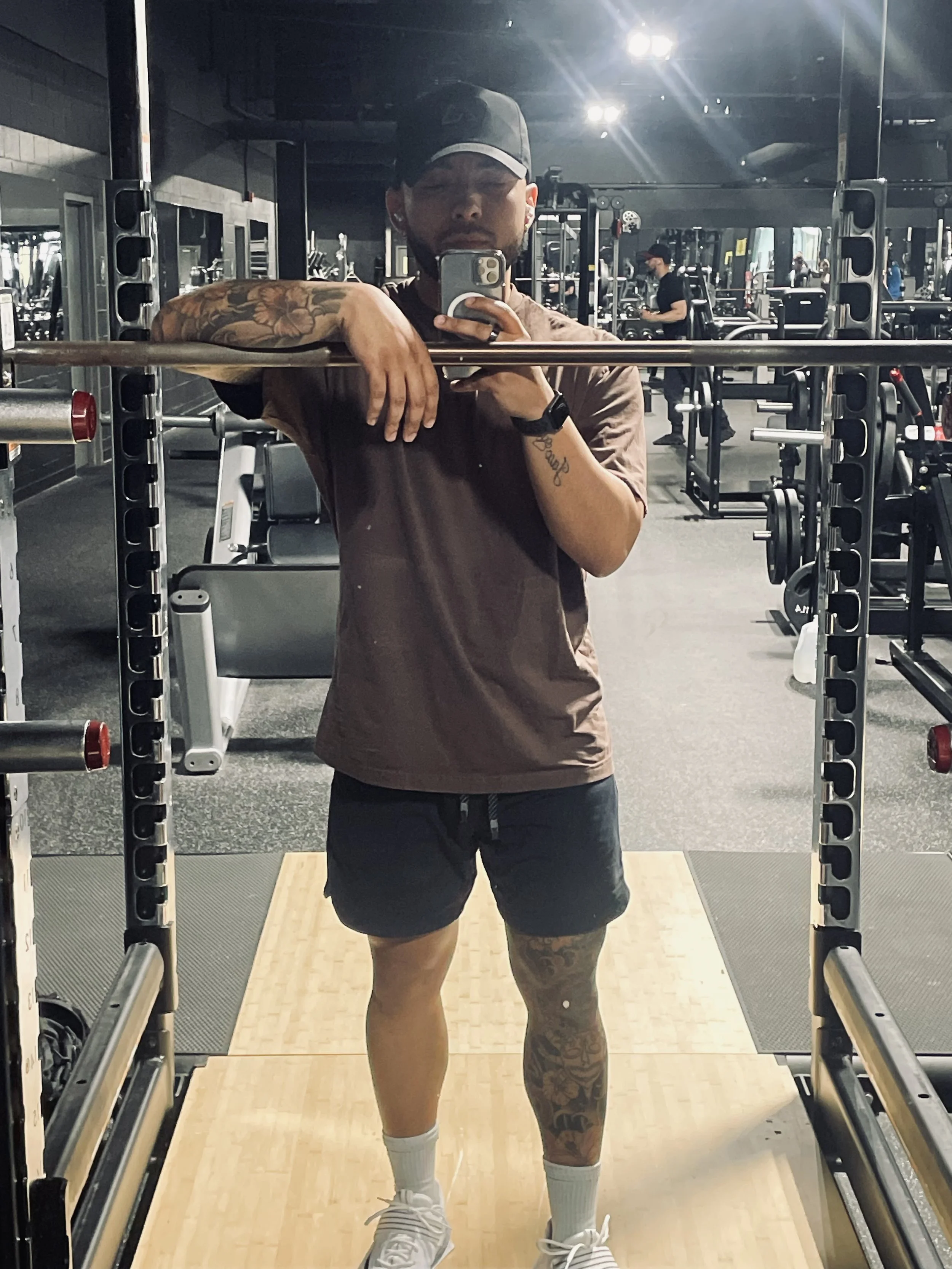
Let’s work together!
Hi, I’m Joshua Diaz — Certified Nutrition Coach & Personal Trainer
I offer 1:1 nutrition coaching + personal training for people who want to reach their goals and stick to them this time — if that sounds like you, click the button below to inquire about working together 💪
