A Simple Grocery List for Fat Loss and Muscle Gain
There’s a pretty common pattern a lot of people fall into. You decide you want to start eating better. You’re motivated, you’re ready to take it seriously.
Then you walk into the grocery store… and suddenly you’re just kind of wandering around.
You grab a few things that seem healthy, maybe a couple random meals you think you’ll make. Something quick “just in case.” And by the time you get home, you’ve spent money, but you don’t really feel any more prepared than before.
Then a few days later, you’re back to ordering food or eating whatever’s easiest.
Not because you don’t care, but because nothing in your environment is actually set up to support you.
The Problem Isn’t Effort — It’s Setup
Most people don’t struggle with nutrition because they’re lazy. They struggle because they don’t have the right foods available when they need them, and when that happens, you default to whatever is easiest.
That might be takeout, snacks, or random meals with no structure. And again, that’s not a discipline issue.
That’s an environment issue.
But before we get into specifics, this matters: You don’t need to completely overhaul everything you eat.
You don’t need:
expensive “health foods”
complicated ingredients
a totally different diet
You just need foods that make it easier to build simple meals, hit your protein, stay reasonably full, and stay consistent.
That’s it.
Think in Categories (This Makes Everything Easier)
Instead of trying to memorize a strict list, think in categories you can mix and match. This gives you flexibility without losing structure.
Start With Protein (Most Important)
If there’s one thing that makes everything easier, it’s having protein ready to go. Because when protein is low, hunger goes up, and consistency usually drops.
Simple options include:
chicken breast or thighs
ground turkey or ground beef
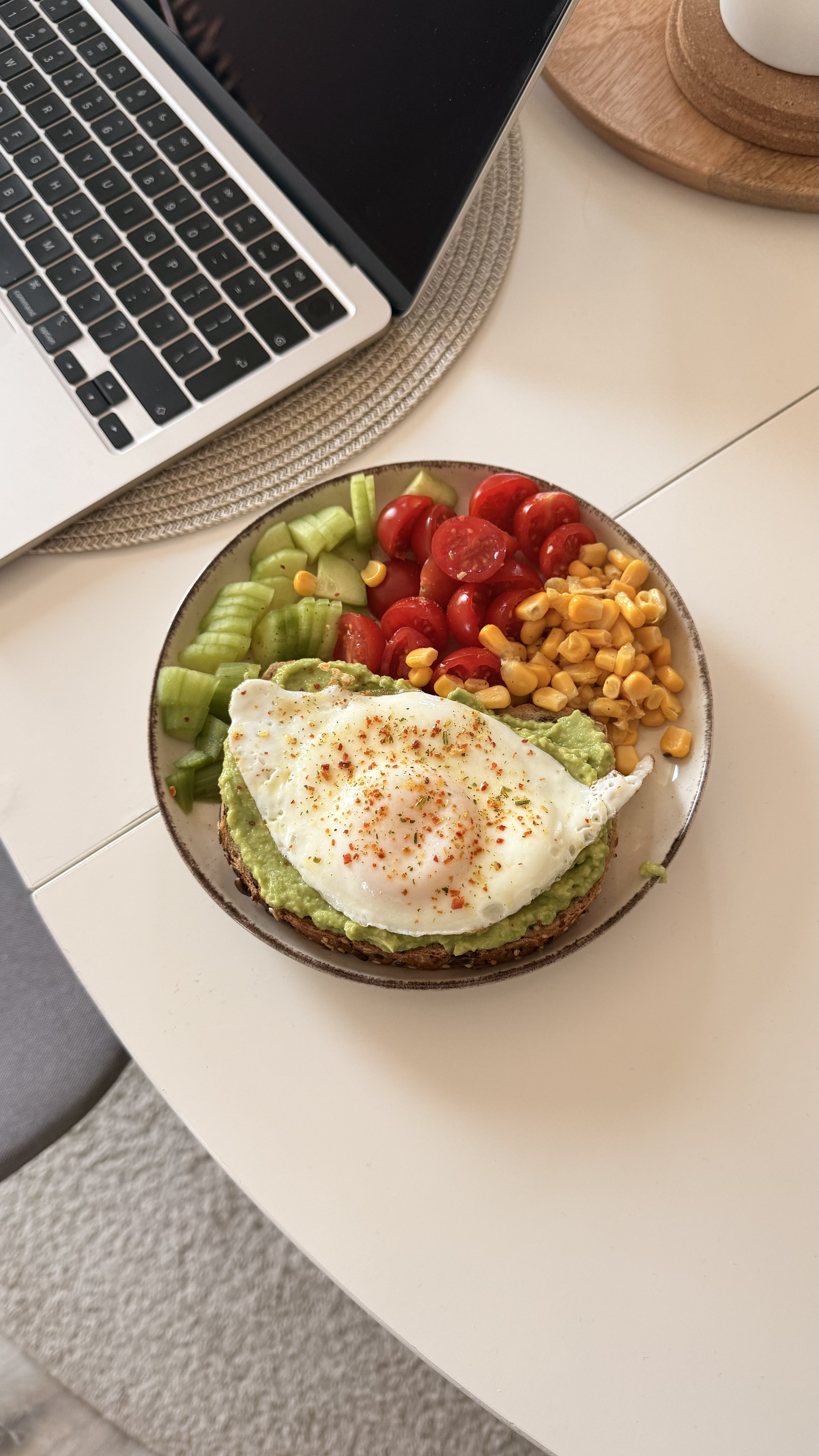
eggs
Greek yogurt
cottage cheese
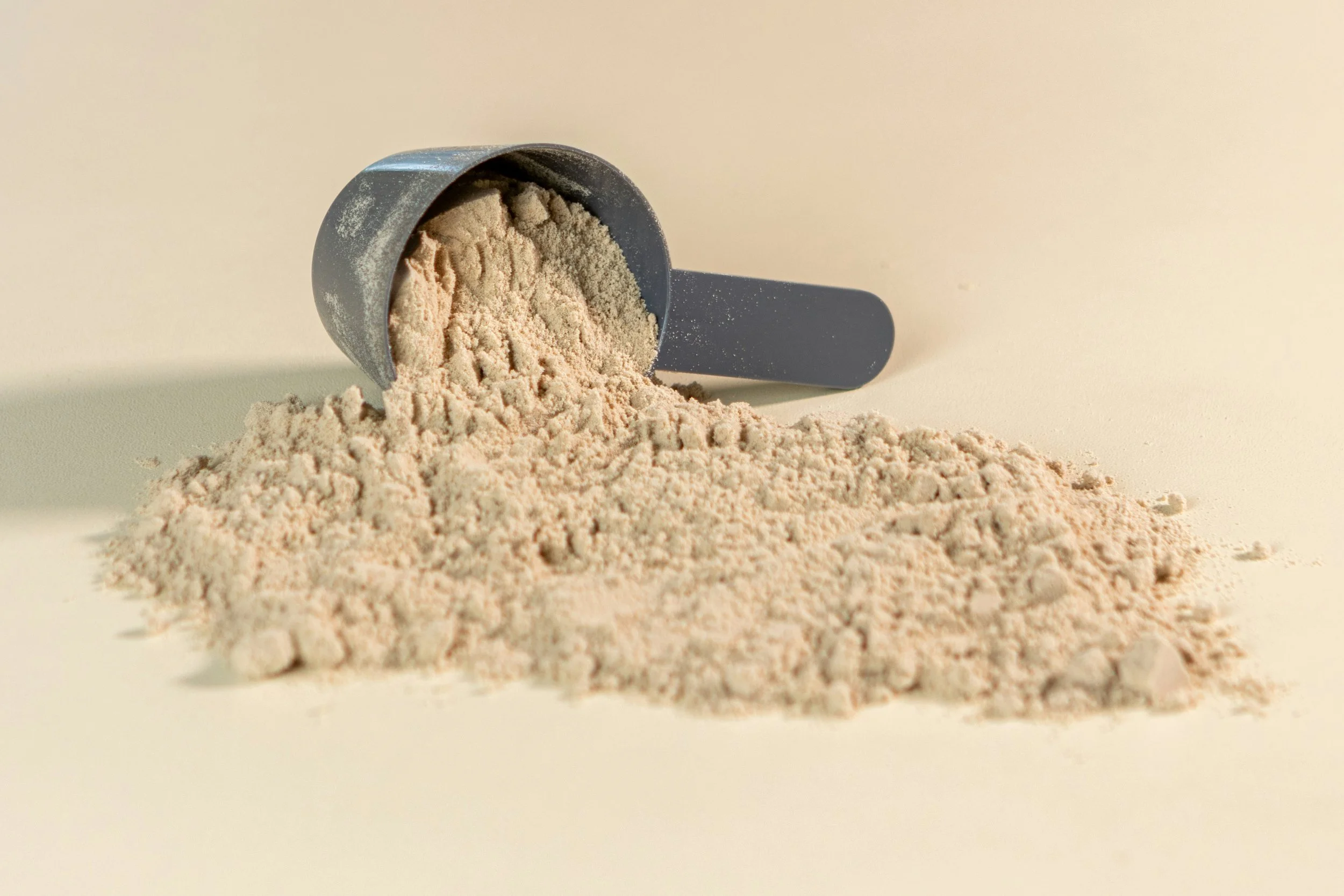
protein powder (for convenience)
You don’t need all of these, just a few you actually enjoy and will use.
Add Your Carbs
Carbs are not the enemy — they’re fuel. They also make meals more satisfying and easier to stick to.
Simple options:
rice
potatoes
oats
bread
pasta
fruit
Again, keep it simple. Pick what you like and will actually eat.
Don’t Forget Fats
Fats help with flavor, fullness, and overall health.
Easy options include:
avocado
olive oil
nuts
peanut butter
You don’t need much, but including them makes meals feel more complete.
Fill in the Gaps With Fruits and Vegetables
This is where you get fiber, volume, and nutrients. And honestly, this is what helps meals feel more balanced.
Keep it simple here too:
frozen vegetables (very underrated)
spinach or salad mixes
broccoli, peppers, carrots
fruit you actually enjoy eating
What This Looks Like in Your Cart
If you step back and look at it, your cart doesn’t need to be complicated.
It might look like:
2–3 protein sources
2–3 carb sources
1–2 fats
a few fruits/vegetables
That’s enough to build multiple meals, you don’t need 20 different items.
The Part Most People Overlook
Convenience matters a lot. If everything you buy requires prep, cooking, and time then you’re less likely to use it consistently.
So it helps to include things like:
pre-cooked chicken
frozen meals with decent macros
protein bars or shakes
easy grab-and-go options
Not as the basis of your entire diet, but as support when life gets busy.
And you don’t need variety every week, this is also where people overcomplicate things. They think they need new meals every week, tons of different foods, and constant change.
But you don’t. Most people do better with repetition, a few go-to meals, and simple combinations. You can always switch things up later.
You’re not trying to build the perfect grocery list, you’re trying to build a system that makes eating well easier. Because when your environment supports you, everything else gets easier.
When you get these things right you stop guessing what to eat, stop scrambling for meals, or relying on willpower.
And instead, you have food ready, you build meals quickly, and you stay more consistent without overthinking it.
The Bottom Line
Your results aren’t just about what you know. They’re about what’s available to you every day. If your kitchen supports your goals, your habits will follow.
If You Want Help With This
If you feel like your nutrition falls apart during the week because you’re unprepared, coaching can help you build a simple system that works with your schedule — not against it.

Let’s work together!
Hi, I’m Joshua Diaz — Certified Nutrition Coach & Personal Trainer
I offer 1:1 nutrition coaching + personal training for people who want to reach their goals and stick to them this time — if that sounds like you, click the button below to inquire about working together 💪
